About us

Cervical Cancer

What you need to know about

Cervical Cancer

What is a Cervix?

It is the neck of the uterus, it plays an important role in allowing fluids to pass between the uterus(womb) and vagina.
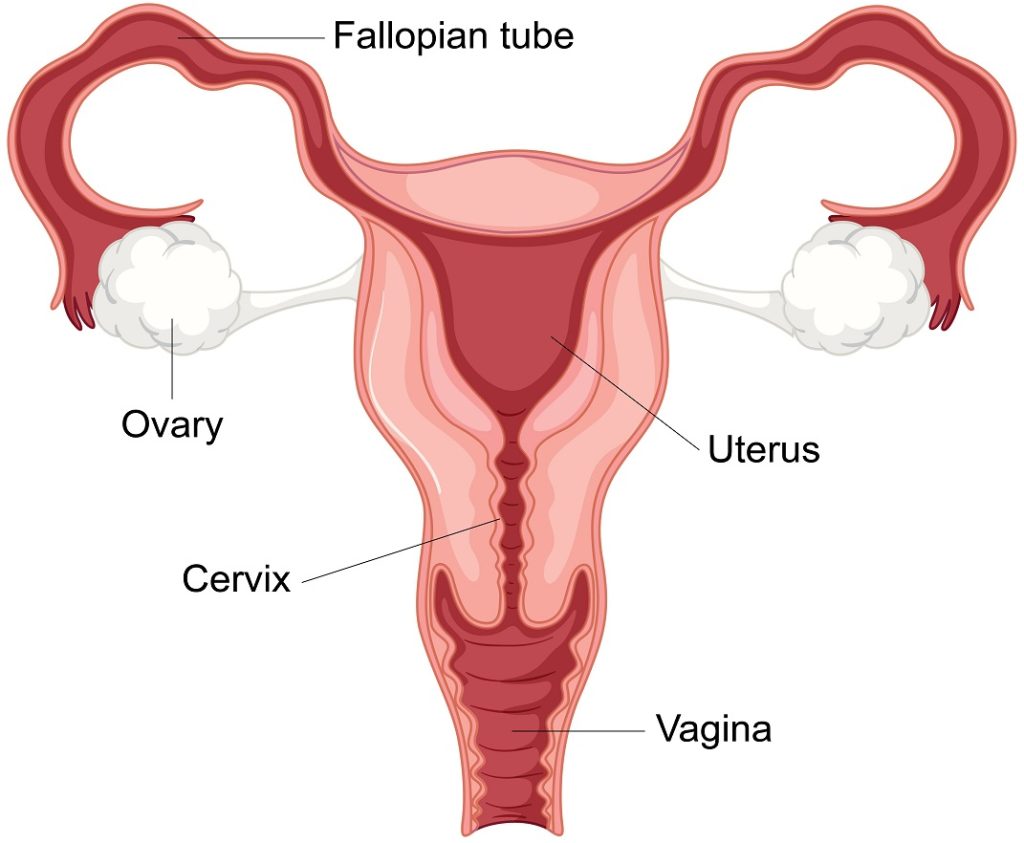
What Cervical Cancer?

Cancer that forms within the cervix. It is usually a slow-growing cancer that may not have any apparent symptoms initially Cervical cancer has a tendency to move from its point of origin and travel to other body organs, this process is called Metastasis. Common body parts to which cervical cancer can spread are;
  • Lymph nodes.
  • The space between the hip bones (pelvis)
  • Tummy (abdomen)
  • Liver
  • Lungs
  • Bones

Risk Factors

There is no known cause of cervical cancer, however, there are some risk factors associated with it:
H.P.V - Persistent infection with high-risk types of Human Papilloma Virus (H.P.V) increases the chances of having cervical cancer.
Weak immune system - This can lower the body's ability to fight HPV infection and other diseases. HPV infections are more likely to be persistent and progress to cancer in people who are immuno compromised(e.g people living with HIV & AIDS).
Early sexual debut - The risk is higher in people who become sexually active at an early age and in those who have had multiple sexual partners.
Smoking
Diet
Unhealthy eating habits

Symptoms

Early stage, cervical cancer usually doesn't have symptoms, making it hard to detect. When symptoms of early-stage cervical cancer do occur, they may include;
  • Vaginal bleeding after sex
  • Vaginal bleeding after menopause
  • Vaginal bleeding between periods or periods that are heavier or longer than normal
  • Vaginal discharge that is watery and has a strong odor or that contains blood
  • Pelvic pain or pain during sex
Symptoms of advanced cervical cancer (cancer has spread beyond the cervix to other parts of the body) may include the symptoms of early-stage cervical cancer and
  • Difficult or painful bowel movements or bleeding from the rectum when having a bowel movement
  • Difficult or painful urination or blood in the urine
  • Slight back pain
  • Swelling of the legs
  • Pain in the abdomen
  • Feeling tired

Screening

The goal of screening for cervical cancer is to find pre-cancerous cervical cell changes.

Sometimes, cancer is found during cervical screening. Cervical cancer found at an early stage is usually easier to treat. By the time symptoms appear, cervical cancer may have begun to spread, making treatment more difficult.
The following screening methods are used in Zimbabwe to screen for cervical cancer:
  • Pap Smear
  • VIAC (Visual Inspection with Acetic Acid)
  • HPV (Human Papilloma Virus) DNA Testing

Treatment

In Zimbabwe, three major methods are used to treat cervical cancer, individually or in conjunction with each other in order to produce the best result possible. These are;

SURGERY
Removal of the affected part in an operation.
CHEMOTHERAPY
Use of drugs to treat cancer.
RADIOTHERAPY
Use of radiation to treat cancer.

Lets all unite in the fight against cancer and support those affected by this devastating disease.

Your donation will directly fund:
1. Essential support services for patients and families.
2. Life-changing research and treatment programs.
3. Awareness & Community Outreach programs

About TCZ

TCZ endeavors to address the present need for increasing health literacy with respect to cancer in order to effect behaviour change and promote healthy lifestyle and well being of our people.

Contact Us

Mobile Numbers:
+263 774 866 873
+263 718 423 527

Email Address: infor@tcz.org.zw