About us
Breast Cancer
What you need to know about
Prostate Cancer
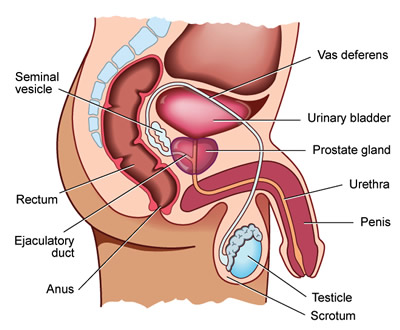
What is a Prostate?
The prostate gland is an organ in the male body responsible for the production of fluids which are used for lubrication during sex, nutrition of the sperm and for protecting the sperm from damage in the female body.
What Prostate Cancer?
Cancer is the result of abnormal cell growth, which takes over the body's normal cell function, making it harder for the body to work the way it should.
Prostate cancer develops when abnormal cells form and grow in the prostate gland
Prostate cancer has a tendency to move from its point of origin and travel to other body organs, this process is called Metastasis. Common body parts to which prostate cancer can spread to are;
-
Adrenal gland
- Bone
- Liver
- Lung
Risk Factors
There is no known cause of prostate cancer, however, there are some risk factors associated with it:
Age
As men age, their risk of getting prostate cancer goes up.
Family history
Family History: grandfather, father or brother with prostate cancer face a higher risk of getting the disease. Having family members with breast and ovarian cancer also raises a man's risk for prostate cancer.
Obesity
Studies link being overweight in your 50s and later to a greater risk of advanced prostate cancer.
Ethnicity
Common in black men.
Hormonal factors
Too much testosterone levels predispose one to a high risk of developing prostate cancer.
Diet
Unhealthy eating habits.
Symptoms
In its early stages, prostate cancer may have no symptoms. When symptoms do occur, they can be urinary symptoms like those of an enlarged prostate.-
Burning or pain during urination
- Difficulty urinating or trouble starting or stopping urination.
- More frequent urges to urinate at night
- Loss of bladder control
- Decreased flow of urine stream
- Blood in urine and semen
- Erectile dysfunction
- Painful ejaculation
Screening
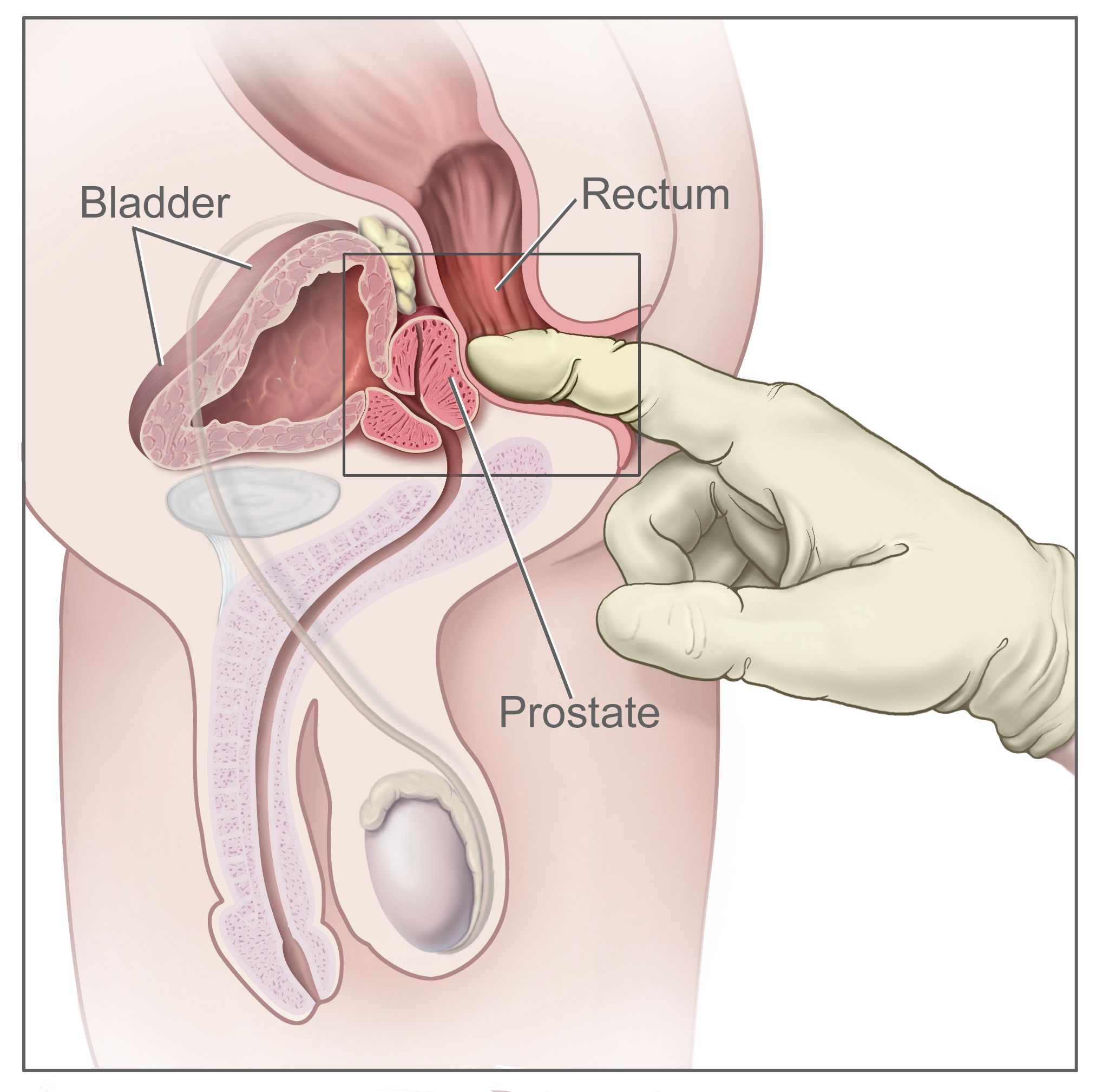
Prostate cancer does not wait, neither should you. Early detection is the best bet for your health, go and get screened. Two commonly used tests are Protein Specific Antigen blood test and the Digital Rectal Examination.